Chefs refrigerator: Commercial Cold Holding Guide for Food Safety and Speed
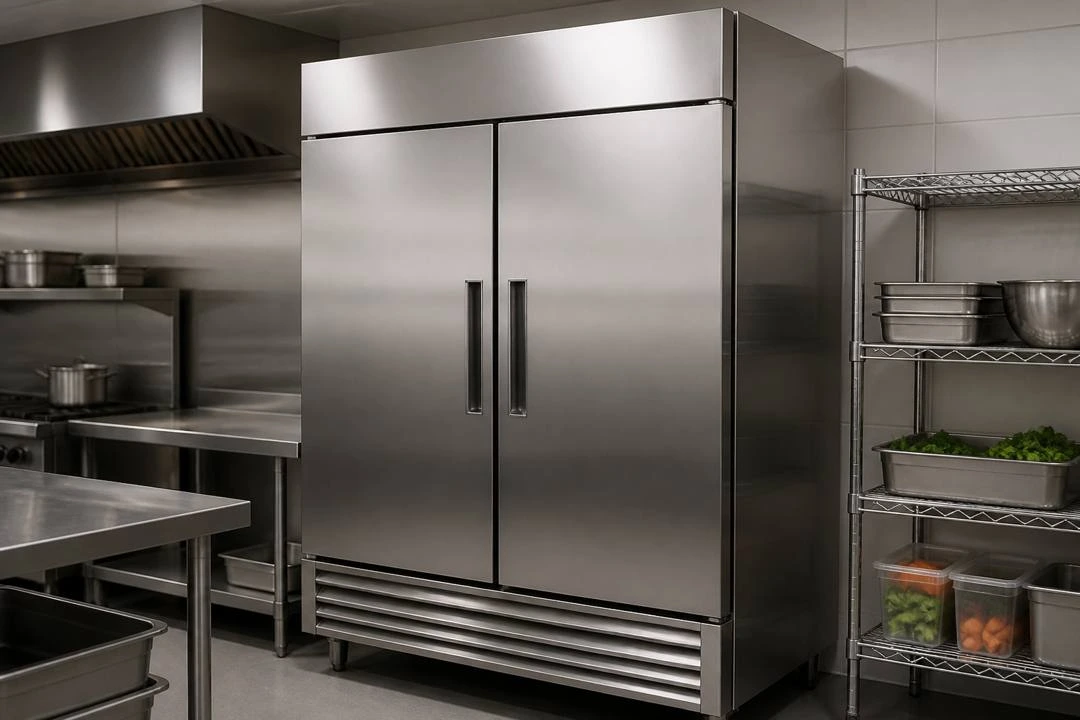
Educational hospitality equipment guide. Verify manufacturer specifications, utilities, and local codes before purchase or installation.
If you are researching chefs refrigerator, you need more than a quick product blurb. You need a decision framework that protects food quality, labor speed, guest experience, and monthly operating cost. This guide explains how hospitality operators evaluate chefs refrigerator with practical criteria: capacity, utilities, footprint, cleanability, service support, and total cost of ownership.
The Horeca channel—hotels, restaurants, and cafes—punishes vague buying. Equipment that looks fine in a showroom can fail at peak hour if recovery, ventilation, power, or workflow were ignored. Use the sections below as a procurement checklist you can share with chefs, managers, and contractors.
What Buyers Usually Want From Chefs Refrigerator
Most searches for chefs refrigerator are really searches for outcomes: faster tickets, safer holding temperatures, better texture, lower waste, or fewer emergency workarounds. Write those outcomes down before comparing models. A clear job statement prevents catalog browsing from turning into an expensive mismatch.
Include constraints in the same brief: available width/depth, door swing, electrical phase, gas availability, hood capacity, staff skill level, and opening date. Constraints eliminate unfit options quickly and make quotes comparable.
Core Selection Criteria
• Peak demand sizing (not average-day assumptions)
• Footprint, clearance, and service access in the finished layout
• Utility compatibility and install accessories required on day one
• Cleanability and documented sanitation procedures
• Local parts/service availability and warranty realities
• Energy, chemical, filter, or oil costs over 12–36 months
• Training complexity and whether presets/programs can be locked
• Flexibility for menu changes in the first year of operation
While building your shortlist, compare related topics such as food equipment invented in the 1980s so purchasing decisions stay connected across stations.
Layout, Installation, and Workflow
Great equipment in a bad layout still loses. Map product flow from receiving to storage to prep to pass. Confirm delivery path measurements before ordering. Leave manufacturer clearance for airflow and panel access. For mobile concepts, validate generator loads and health-code sink placements early.
Commission under realistic load whenever possible. Empty cold holding, idle ovens, and unloaded ice makers can hide weaknesses that appear only when every burner and door is active during Friday service.
Budgeting Beyond Sticker Price
Split your budget into equipment, accessories/install, and contingency. Missing stands, filters, pans, regulators, or chemicals can delay openings. Downtime risk also belongs in the math: a cheaper unit with weak local support can cost more after one weekend outage and emergency rental.
If capital is limited, phase around risk. Secure the chefs refrigerator capability that protects core sales and food safety first, then add convenience or merchandising upgrades after volume is proven.
Operators often cross-check hoshisaki ice maker when deciding between new, used, compact, or high-volume configurations.
Training, Quality Control, and Maintenance
Post startup/shutdown checklists at the station. Train at least two people on each critical machine. Log temperatures, cleaning cycles, filter changes, and service visits. Preventive habits are cheaper than emergency repairs during peak season.
Keep manuals, serial numbers, and vendor contacts in one shared folder. When a gasket, board, or probe fails, minutes matter. Institutional memory is part of equipment ROI.
A complete operation may also need planning around kegerators and beer brewing, especially when production, cold holding, and service stations expand together.
Category-Specific Guidance
Commercial refrigeration succeeds on recovery after door openings, correct temperature class, and gasket/coil maintenance. Match reach-ins, undercounters, prep tables, and walk-ins to station workflow—not only to catalog capacity.
Where to Explore Options
Compare commercial hospitality equipment and buying guides at The Horeca store. Use your finalized chefs refrigerator checklist—capacity, utilities, clearance, and service access—before placing a deposit.
Final Takeaway
Choosing chefs refrigerator well means clarifying the job, sizing for peak reality, installing for workflow, and maintaining for uptime. Do that consistently and equipment becomes a quiet advantage: better product, faster service, and fewer costly surprises.
Frequently Asked Questions
Q: What should be documented before payment?
A: Model numbers, utilities, lead time, included accessories, warranty terms, and installation responsibilities should all be written and agreed.
Q: When should I upgrade my chefs refrigerator setup?
A: Upgrade after repeated capacity failures, rising repair frequency, menu expansion, or energy/service costs that exceed a stronger replacement over a realistic payback period.
Q: How do I shortlist options for chefs refrigerator?
A: Lock must-have capacity and utilities first, remove anything that fails those constraints, then compare service support and ownership cost among the remaining models.
Q: Is cheaper ever better?
A: Sometimes for low-risk accessories. For core production and refrigeration, downtime and product loss often erase sticker savings quickly.
After the first 30–60 days, review real performance of your chefs refrigerator decision with staff feedback, temperature or yield logs, and ticket-time notes. Those observations improve training and make the next purchase faster and more accurate.
Practical Checklist for Chefs Refrigerator Projects
Before approving a purchase related to chefs refrigerator, confirm that the receiving path can handle delivery dimensions, that utilities are labeled on the quote, and that accessories required for day-one operation are included. Missing cords, stands, water filters, or adapters create avoidable opening delays.
Assign one owner for installation coordination and one owner for staff training. Split ownership prevents the common gap where equipment arrives on time but nobody schedules commissioning, recipe dial-in, or cleaning demos for the team using chefs refrigerator daily.
Risks to Avoid During Procurement
Avoid buying chefs refrigerator solely on catalog photos or social-media lists. Verify duty cycle, ambient limits, and service coverage for your city. Also avoid oversizing “just in case” without energy and footprint math—idle capacity still costs money and space.
Do not skip acceptance testing. On delivery day, photograph serial plates, confirm model numbers against the invoice, and run a basic function check before the driver leaves whenever site conditions allow. Early documentation protects warranty claims later.
30-Day Optimization Plan
Week one: stabilize SOPs and verify setpoints for chefs refrigerator. Week two: measure ticket times, waste, or yield against your baseline. Week three: adjust placement, labeling, or par levels based on real grab patterns. Week four: lock the settings and training notes that produced the best results so new hires inherit a proven process.
Close the month with a short review meeting: what improved, what still bottlenecks service, and whether a small accessory—not a full replacement—would solve the remaining gap. Many performance issues are workflow issues wearing an equipment mask.
For teams evaluating chefs refrigerator, create a simple scorecard with weighted criteria: capacity fit, utilities, service access, cleanability, and ownership cost. Score two or three finalists side by side before depositing funds.
When chefs refrigerator supports a revenue-critical station, keep a spare-parts shortlist (gaskets, filters, probes, or common wear items) and a backup workflow so one failure does not stop service entirely.
Seasonality changes the load on chefs refrigerator. Holiday catering, summer beverage spikes, or winter delivery delays can expose weak recovery or storage limits that looked fine during soft opening.
Ask vendors for reference sites using similar chefs refrigerator setups in concepts close to yours. A quick call with another operator often reveals install quirks that brochures never mention.
If your chefs refrigerator choice interacts with ventilation, refrigeration, or warewashing, invite those trades into the planning call early. Late coordination is a top cause of change orders.

Comments
Post a Comment